Type 1 Diabetes Treatment in Kalyan – Personalized Diabetes Care by Dr. Nilesh Upadhyay
Comprehensive Type 1 Diabetes Treatment in Kalyan
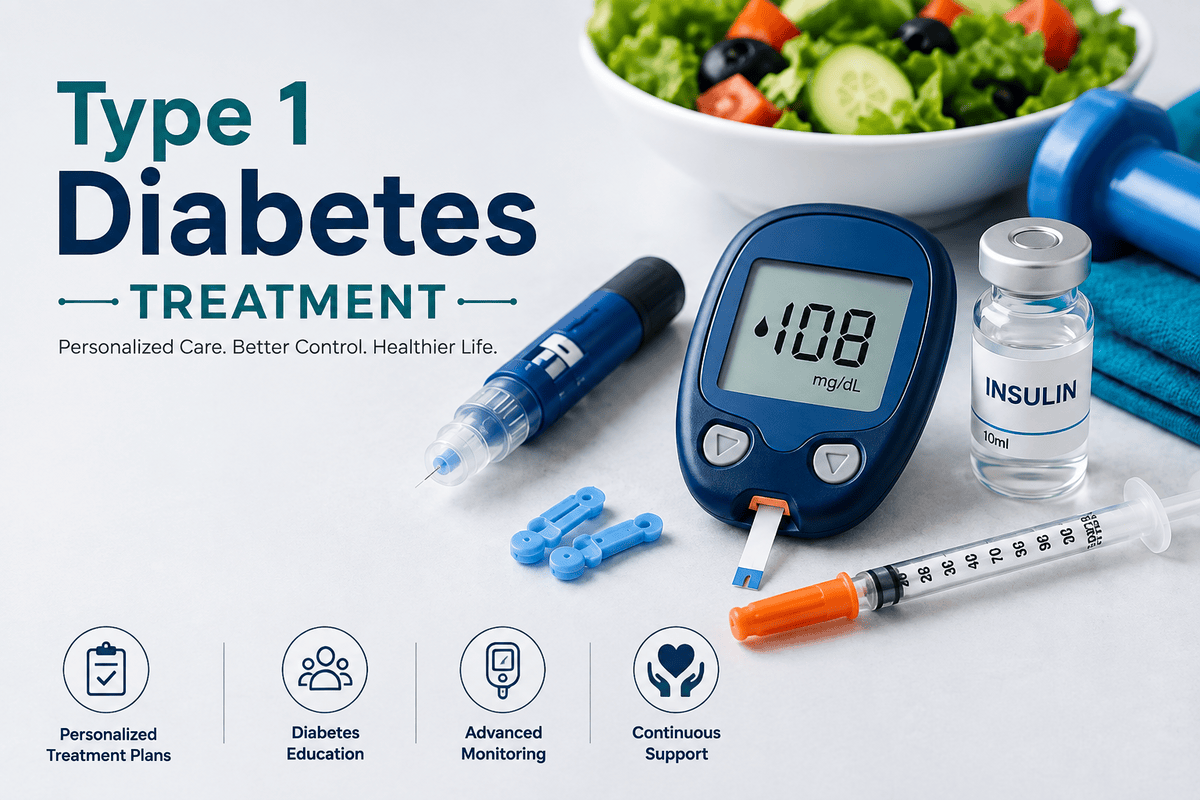
Type 1 diabetes is a chronic condition in which the pancreas produces little or no insulin. Because insulin is essential for glucose to enter the body’s cells and provide energy, people with Type 1 diabetes require ongoing insulin therapy and regular blood glucose monitoring. With appropriate treatment, education, monitoring, and lifestyle management, people living with Type 1 diabetes can lead active and healthy lives.
Dr. Nilesh Upadhyay provides personalized Type 1 Diabetes Treatment in Kalyan, with a focus on appropriate insulin management, blood sugar monitoring, HbA1c assessment, lifestyle guidance, and prevention of diabetes-related complications. The clinic in Khadakpada provides ongoing medical support for patients who require long-term Type 1 diabetes management.
If you are searching for a Type 1 Diabetes Doctor in Kalyan, Type 1 Diabetes Specialist in Kalyan, or Type 1 Diabetes Treatment in Khadakpada, professional medical evaluation and individualized diabetes care can help you manage the condition more effectively.
What is Type 1 Diabetes?
Type 1 diabetes is an autoimmune condition in which the body’s immune system attacks the insulin-producing beta cells of the pancreas. As a result, the body produces little or no insulin. Unlike Type 2 diabetes, Type 1 diabetes is not caused simply by eating too much sugar or having an inactive lifestyle. It can develop at any age, although it is commonly diagnosed during childhood, adolescence, or young adulthood.
Without sufficient insulin, glucose remains in the bloodstream instead of entering cells for energy. This can cause high blood sugar and, if untreated, serious complications.
Common Symptoms of Type 1 Diabetes
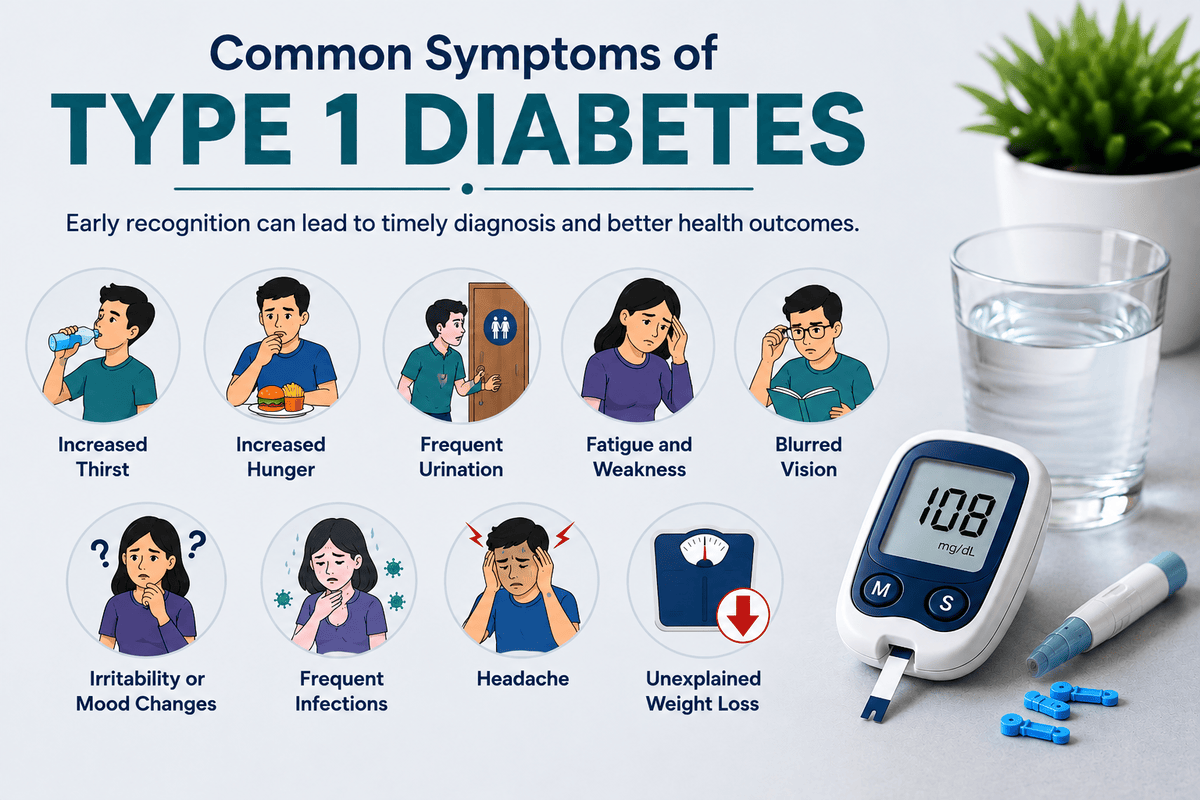
Type 1 diabetes can sometimes develop relatively quickly. Common symptoms may include:
- Frequent urination
- Increased thirst
- Increased hunger
- Unexplained weight loss
- Fatigue or weakness
- Blurred vision
- Irritability or changes in mood
- Increased susceptibility to infections
Some people may develop symptoms over a short period and become significantly unwell. If Type 1 diabetes is suspected, prompt medical evaluation and blood glucose testing are important.
Type 1 Diabetes Diagnosis
Diagnosis generally involves blood glucose testing along with a clinical assessment. Depending on the situation, a doctor may recommend additional investigations to help determine the type of diabetes.
A comprehensive evaluation may consider blood glucose levels, HbA1c, symptoms, medical history, and other investigations when clinically appropriate.
Correctly identifying Type 1 diabetes is important because insulin is essential for people whose bodies are unable to produce sufficient insulin.
Insulin Management for Type 1 Diabetes
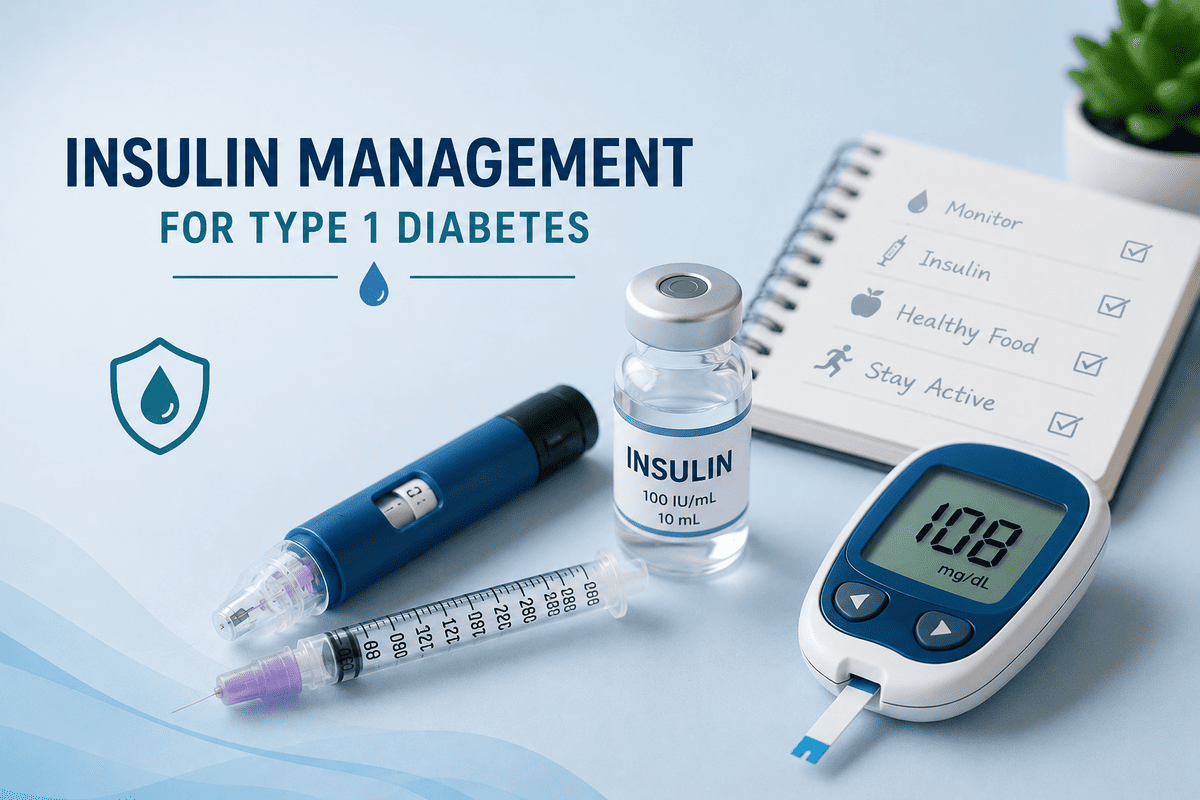
Insulin therapy is the foundation of Type 1 diabetes treatment. People with Type 1 diabetes require insulin every day to maintain blood glucose levels and support normal body functions. Different types of insulin have different onset and duration of action, and the appropriate regimen depends on individual factors such as blood glucose patterns, meals, activity, age, and treatment goals.
Dr. Nilesh Upadhyay provides individualized insulin management in Kalyan, with treatment decisions based on the patient’s blood glucose patterns, lifestyle, existing insulin regimen, and medical requirements.
Insulin may be administered using insulin pens, syringes, or insulin pumps depending on individual circumstances and medical advice.
HbA1c Monitoring in Type 1 Diabetes
HbA1c provides an indication of average blood glucose levels over the previous several weeks to months and is an important part of long-term diabetes monitoring.
Regular HbA1c assessment allows the doctor and patient to evaluate overall glucose management and identify whether the current treatment approach requires review. HbA1c should be interpreted alongside day-to-day glucose readings and the patient’s overall clinical situation.
Regular monitoring can help support better diabetes management and reduce the risk of long-term complications.
Managing Low Blood Sugar (Hypoglycemia)
Hypoglycemia, or low blood sugar, can occur in people using insulin. Symptoms may include sweating, shakiness, hunger, dizziness, confusion, weakness, or changes in behaviour.
People with Type 1 diabetes should understand their personal warning signs and have a plan for responding to low blood sugar. Blood glucose below 70 mg/dL is generally considered low, although individual treatment plans may vary.
Patients and family members should receive appropriate education about recognizing and managing hypoglycemia. Severe or persistent symptoms require urgent medical attention.
Diet and Nutrition in Type 1 Diabetes
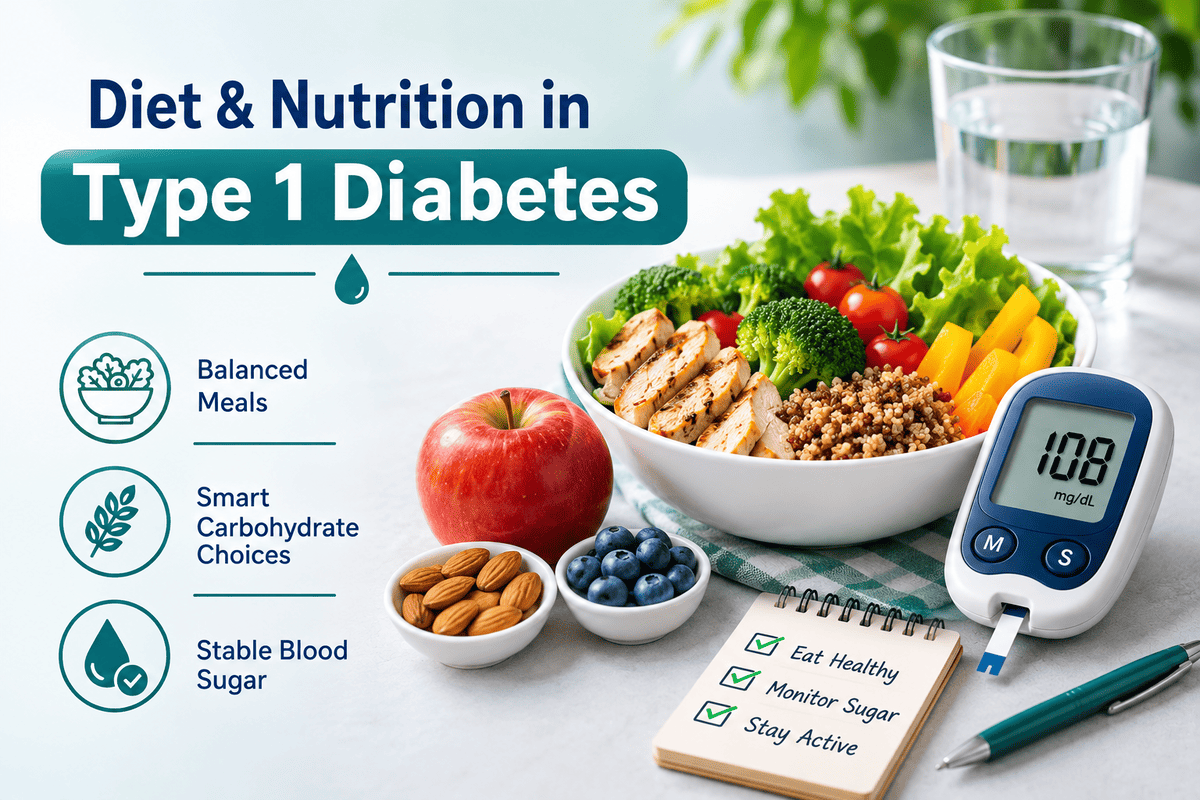
Food plays an important role in managing blood glucose. People with Type 1 diabetes need to understand how carbohydrates and meals can affect blood sugar and insulin requirements.
A healthy and balanced eating pattern can include vegetables, whole grains, appropriate protein sources, healthy fats, and suitable portions of carbohydrate-containing foods. Meal planning should be individualized according to the patient’s insulin regimen, glucose patterns, lifestyle, nutritional needs, and health goals.
Rather than following extreme diets, patients should focus on sustainable eating habits and learn how food, insulin, and physical activity work together.
Exercise and Type 1 Diabetes
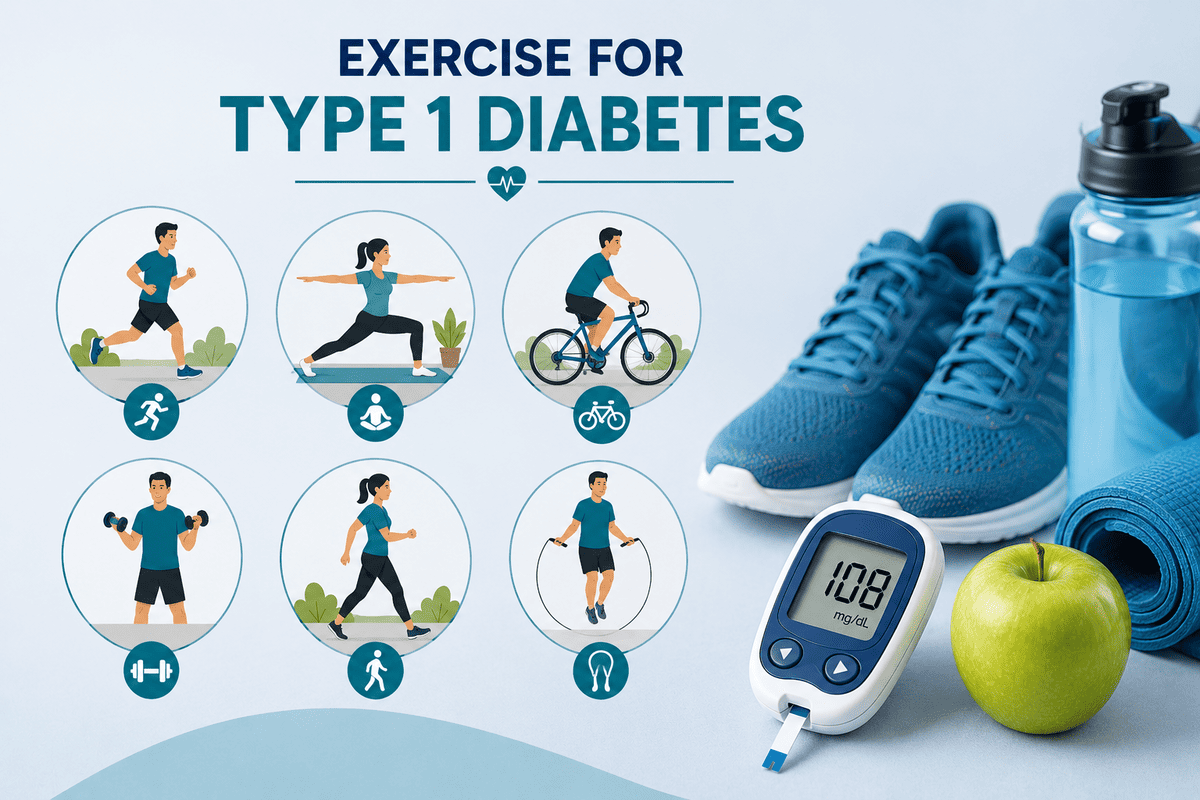
Regular physical activity offers many health benefits, including improved fitness, cardiovascular health, mood, and overall well-being. However, exercise can affect blood glucose levels in people with Type 1 diabetes.
Patients should learn how different types and durations of activity affect their glucose levels and how to monitor and manage these changes safely. Exercise plans should be individualized, particularly for people who experience frequent hypoglycemia or have diabetes-related complications.
Preventing Type 1 Diabetes Complications
Long-term high blood glucose can increase the risk of complications affecting the eyes, kidneys, nerves, blood vessels, and cardiovascular system. Good diabetes management and regular health assessments can help identify problems early and reduce the risk of complications.
Depending on individual needs, ongoing diabetes care may include:
- Blood glucose monitoring
- HbA1c testing
- Blood pressure assessment
- Cholesterol and lipid evaluation
- Diabetic neuropathy screening
- Diabetic retinopathy screening
- Kidney health assessment
- Cardiovascular risk assessment
- Regular medical follow-up
Personalized Type 1 Diabetes Management in Kalyan
Type 1 diabetes management is not identical for every patient. Insulin requirements, glucose patterns, lifestyle, food habits, physical activity, age, work schedule, and other medical conditions can all influence diabetes management.
Dr. Nilesh Upadhyay focuses on individualized diabetes care, regular monitoring, treatment review, and practical guidance to help patients manage Type 1 diabetes as part of their everyday lives.
Patients searching for Type 1 Diabetes Management in Kalyan, Type 1 Diabetes Doctor in Khadakpada, or a Type 1 Diabetes Specialist Near Me can seek personalized medical evaluation and ongoing diabetes care.
Why Choose Dr. Nilesh Upadhyay for Type 1 Diabetes Care?
Dr. Nilesh Upadhyay combines expertise in Diabetology, Cardiology, and General Medicine, allowing diabetes management to be considered alongside cardiovascular risk factors and other medical conditions.
His approach focuses on:
- Personalized insulin and diabetes management
- Regular blood glucose and HbA1c monitoring
- Prevention and screening of diabetes complications
- Lifestyle and nutrition guidance
- Cardiovascular risk assessment
- Long-term follow-up
- Patient education and practical diabetes management
The objective is to help patients understand their condition, follow an appropriate treatment plan, and manage diabetes safely over the long term.
Frequently Asked Questions About Type 1 Diabetes
Q: Can Type 1 diabetes be treated without insulin?
People with Type 1 diabetes require insulin because their bodies produce little or no insulin. Insulin therapy is essential for survival and ongoing blood glucose management.
Q: How often should blood sugar be checked?
The frequency depends on the individual’s treatment plan, insulin regimen, glucose patterns, and use of monitoring technology. Your doctor can recommend an appropriate monitoring schedule.
Q: Can people with Type 1 diabetes exercise?
Yes. Physical activity can be an important part of a healthy lifestyle. However, people with Type 1 diabetes need to understand how exercise can affect their blood glucose and follow individualized guidance.
Q: Can adults develop Type 1 diabetes?
Yes. Although Type 1 diabetes is often diagnosed in children and young adults, it can develop at any age.
Q: When should I seek urgent medical care?
Severe low blood sugar, significant vomiting, difficulty breathing, confusion, loss of consciousness, or symptoms suggesting diabetic ketoacidosis require urgent medical attention.
