
Type 2 Diabetes Treatment in Kalyan – Comprehensive Diabetes Care by Dr. Nilesh Upadhyay
Personalized Type 2 Diabetes Treatment in Kalyan
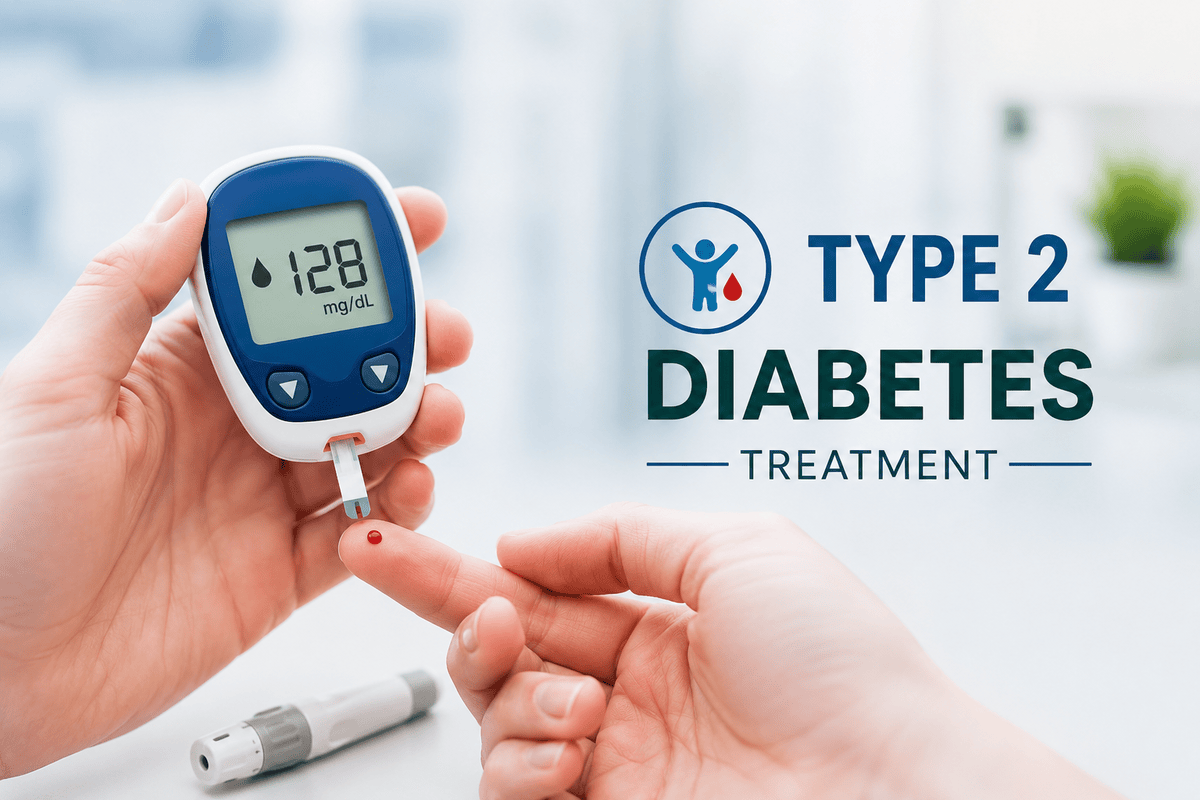
Type 2 diabetes is a common long-term condition in which the body does not use insulin effectively and, over time, may not produce enough insulin to maintain healthy blood glucose levels. It can develop gradually and some people may have few or no noticeable symptoms in the early stages.
Good diabetes management involves much more than simply lowering blood sugar. Regular monitoring, appropriate medication, healthy eating, physical activity, weight management and screening for complications are important parts of long-term diabetes care.
Dr. Nilesh Upadhyay provides personalized Type 2 Diabetes Treatment in Kalyan, with his clinic located in Khadakpada. His approach considers blood sugar levels, HbA1c, weight, blood pressure, cholesterol, lifestyle and other medical conditions while developing an appropriate treatment plan.
If you are searching for a Type 2 Diabetes Doctor in Kalyan, Type 2 Diabetes Specialist in Kalyan, or Type 2 Diabetes Treatment in Khadakpada, comprehensive medical evaluation and regular follow-up can help you manage diabetes more effectively.
What is Type 2 Diabetes?
Type 2 diabetes develops primarily because the body becomes resistant to insulin, meaning insulin does not work as effectively as it should. Over time, the pancreas may also be unable to produce enough insulin to maintain normal blood glucose levels.
Several factors can contribute to the development of Type 2 diabetes, including family history, excess weight, physical inactivity, increasing age and other metabolic risk factors.
Although Type 2 diabetes is a chronic condition, appropriate treatment and lifestyle changes can help manage blood glucose and reduce the risk of complications.
Common Symptoms of Type 2 Diabetes
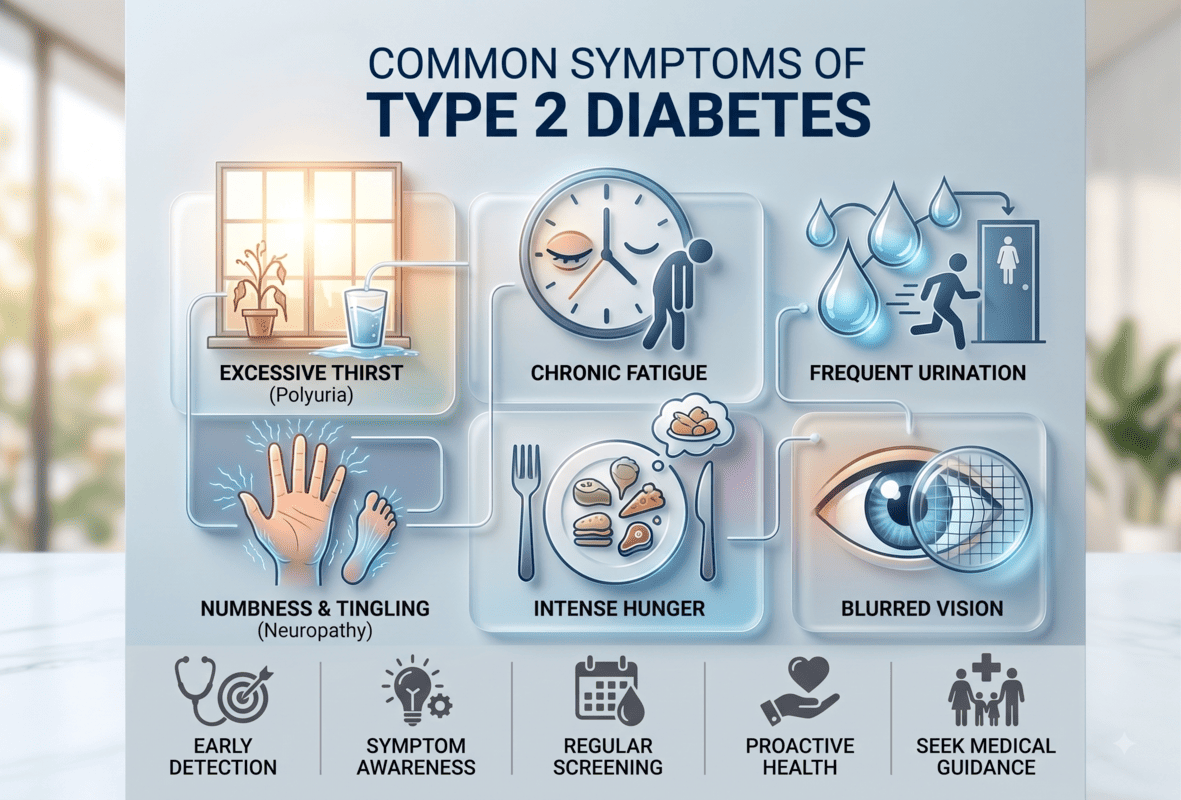
Type 2 diabetes can develop slowly, and some people may not notice symptoms initially. When symptoms occur, they can include:
- Increased thirst
- Frequent urination
- Increased hunger
- Fatigue
- Blurred vision
- Slow-healing cuts or wounds
- Tingling or numbness in the hands or feet
- Unexplained changes in weight
- Recurrent infections
Because symptoms may be mild or absent, regular diabetes screening can be particularly important for people who have risk factors.
Type 2 Diabetes Diagnosis
Diabetes can be diagnosed using appropriate blood glucose tests. Depending on the patient’s situation, a doctor may recommend tests such as fasting blood glucose, HbA1c or an oral glucose tolerance test.
HbA1c is particularly useful because it provides an estimate of average blood glucose over approximately the previous three months and does not require fasting.
A proper diagnosis should be interpreted by a qualified healthcare professional along with symptoms, medical history and other relevant factors.
Blood Sugar Testing and Monitoring
Regular blood glucose monitoring can help understand how well diabetes is being controlled. Blood sugar levels can change depending on meals, physical activity, illness, stress, medications and other factors.
Dr. Nilesh Upadhyay provides guidance regarding appropriate blood sugar monitoring based on the patient’s condition and treatment plan.
For patients searching for Blood Sugar Testing in Kalyan, monitoring can be an important part of understanding glucose patterns and making informed treatment decisions.
HbA1c Testing in Kalyan
HbA1c is one of the most useful tests for monitoring long-term diabetes control. It reflects average blood glucose levels over approximately three months and can help doctors evaluate treatment effectiveness and determine whether the treatment plan needs adjustment.
Regular HbA1c testing in Kalyan may therefore form an important part of ongoing Type 2 diabetes management.
However, an HbA1c result should not be considered in isolation. Your doctor may interpret it alongside daily glucose readings, medications, lifestyle, age, medical conditions and individual treatment goals.
Type 2 Diabetes Treatment and Medication
Treatment for Type 2 diabetes is individualized. Some people may initially manage their condition through healthy eating, physical activity and weight management, while others require diabetes medications. Some patients may eventually require insulin or other injectable treatments.
The appropriate treatment depends on factors such as blood glucose levels, HbA1c, duration of diabetes, weight, cardiovascular risk, kidney health, other medical conditions and previous treatment.
Dr. Nilesh Upadhyay focuses on personalized diabetes treatment rather than using the same medication plan for every patient.
Medication should always be taken according to medical advice, and patients should not stop or change diabetes medicines without consulting their doctor.
Diet and Nutrition for Type 2 Diabetes
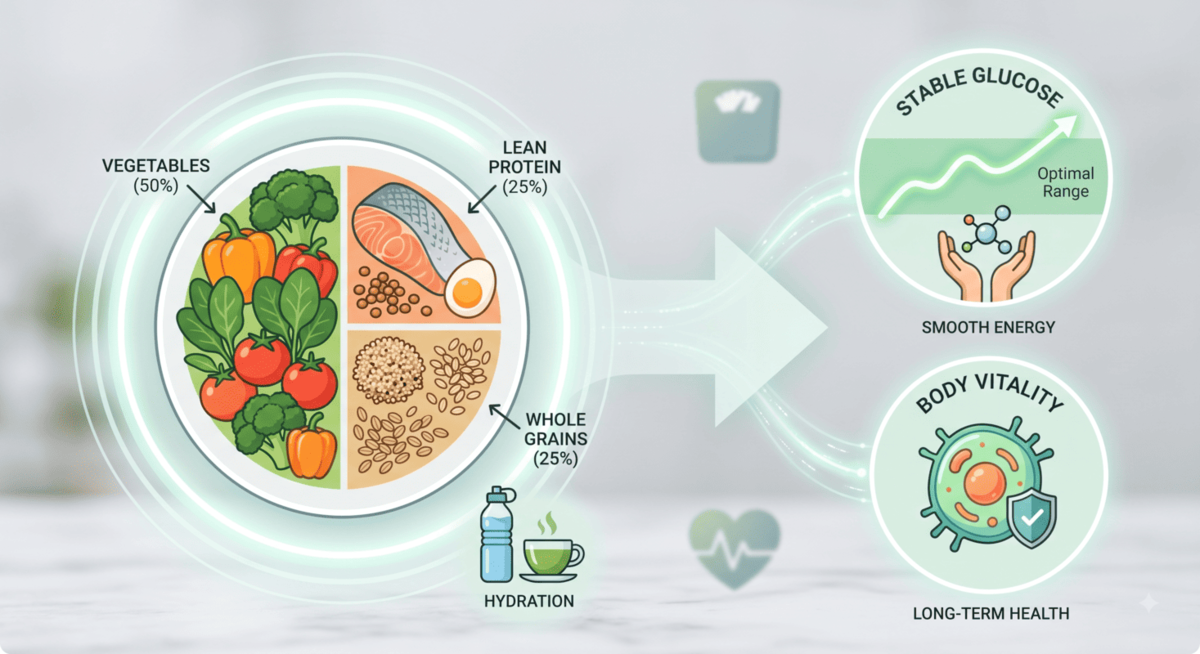
Healthy eating is a fundamental part of Type 2 diabetes management. The goal is not necessarily to eliminate all carbohydrates or follow an extreme diet, but to develop sustainable eating habits that support blood glucose control and overall health.
A balanced approach may include appropriate portions of vegetables, protein, whole grains and other nutrient-rich foods while limiting excessive intake of refined carbohydrates, sugary foods and highly processed foods.
Meal planning should take into account the patient’s weight, blood glucose, medications, lifestyle, food preferences and other medical conditions.
Exercise and Physical Activity
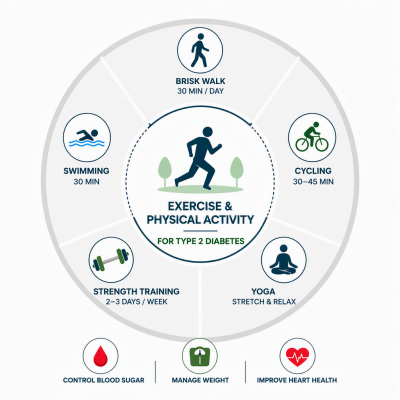
Regular physical activity can support blood glucose management, cardiovascular health, weight management and overall fitness. The appropriate activity level depends on the individual’s age, health, fitness, diabetes control and other medical conditions.
Patients can start with realistic activities such as walking and gradually develop a sustainable exercise routine according to medical advice.
Physical activity is an important component of comprehensive Type 2 Diabetes Management in Kalyan, particularly when combined with appropriate nutrition and medical treatment. The American Diabetes Association identifies healthy eating and physical activity alongside medical support as key components of Type 2 diabetes management.
Diabetes and High Blood Pressure
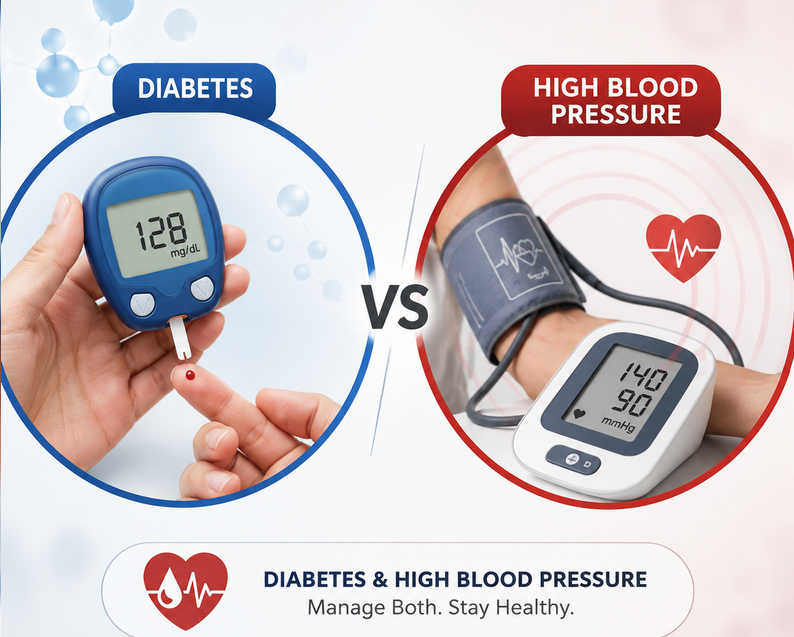
Diabetes frequently occurs alongside other cardiovascular risk factors such as high blood pressure and abnormal cholesterol levels. Managing these conditions together is an important part of protecting long-term health.
Regular monitoring of blood pressure, blood glucose and cholesterol can help identify risk factors that may require treatment.
Diabetes management should therefore consider the patient’s overall cardiovascular health rather than focusing only on blood sugar.
Diabetes and Heart Health
Type 2 diabetes is associated with an increased risk of cardiovascular disease. Managing blood glucose, blood pressure and cholesterol, along with avoiding tobacco and maintaining a healthy lifestyle, can help reduce cardiovascular risk.
As a doctor with expertise in both Diabetology and Cardiology, Dr. Nilesh Upadhyay can take an integrated approach to patients who have diabetes along with cardiovascular risk factors.
Patients can also explore the dedicated Cardiology page for information about ECG, 2D Echo, lipid evaluation and cardiac assessment.
Diabetes and Heart Health
Long-term diabetes can affect several parts of the body, including the eyes, kidneys, nerves, heart and blood vessels. Regular screening and appropriate diabetes management can help identify complications and risk factors early.
Depending on individual needs, diabetes care may include:
- HbA1c monitoring
- Blood pressure assessment
- Cholesterol and lipid evaluation
- Diabetic neuropathy screening
- Diabetic retinopathy screening
- Peripheral arterial disease screening
- Kidney health assessment
- Cardiovascular risk assessment
These evaluations can become an important part of long-term Type 2 Diabetes Care in Kalyan.
Personalized Type 2 Diabetes Management in Khadakpada
Every patient experiences Type 2 diabetes differently. Some people may have newly diagnosed diabetes, while others may have lived with the condition for many years and require changes to their treatment.
Dr. Nilesh Upadhyay evaluates the patient’s medical history, glucose readings, HbA1c, lifestyle, weight and associated health conditions before recommending an appropriate management approach.
The objective is to help patients understand their condition, manage blood glucose effectively and reduce the risk of diabetes-related complications.
If you are searching for a Type 2 Diabetes Doctor in Khadakpada, Type 2 Diabetes Specialist Near Me, or Diabetes Doctor in Kalyan, personalized and consistent follow-up can be an important part of long-term care.
Why Choose Dr. Nilesh Upadhyay for Type 2 Diabetes Care?
Dr. Nilesh Upadhyay combines expertise in Diabetology, Cardiology and General Medicine, allowing diabetes to be evaluated alongside related conditions such as obesity, hypertension, high cholesterol and cardiovascular risk.
His approach focuses on:
- Personalized diabetes treatment
- Blood sugar and HbA1c monitoring
- Medication management
- Lifestyle and nutrition guidance
- Weight management
- Diabetes complication screening
- Cardiovascular risk assessment
- Regular follow-up
- Long-term diabetes care
For patients searching for the Best Doctor for Type 2 Diabetes in Kalyan, the emphasis is on individualized medical evaluation and appropriate long-term management.
Frequently Asked Questions About Type 2 Diabetes
Q: Can Type 2 Diabetes be controlled?
Yes. Type 2 diabetes can often be effectively managed through a combination of lifestyle changes, appropriate medications and regular medical monitoring. The treatment approach varies from person to person.
Q: Does everyone with Type 2 Diabetes need insulin?
No. Some people can manage Type 2 diabetes with lifestyle changes and non-insulin medications, while others may require insulin depending on their individual condition and treatment needs.
Q: How often should HbA1c be checked?
The appropriate frequency depends on your diabetes control and treatment plan. Your doctor can recommend how often you should have the test based on your individual health needs.
Q: Can Type 2 Diabetes be managed with diet and exercise?
Healthy eating and physical activity are important components of Type 2 diabetes management. However, some people also require medication or other treatment to achieve their blood glucose goals.
Q: Can Type 2 Diabetes affect the heart?
Yes. Diabetes is an important cardiovascular risk factor. Managing blood glucose, blood pressure, cholesterol, weight and other risk factors is an important part of protecting heart health.
